Ruda Śląska is a city whose identity has been shaped by the industrial history of Upper Silesia. Located in the Silesian Voivodeship in southern Poland, the city grew from a collection of mining settlements into an important urban centre connected by a shared industrial heritage.
Its name reflects this long relationship with natural resources. Derived from the Polish word ruda, meaning ore, Ruda Śląska’s origins are closely linked to the extraction and processing of minerals that helped shape the development of the wider region.
Today, the city remains a reminder of how mining transformed Upper Silesia, creating not only industrial landscapes but also strong local communities built around work, family and neighbourhood traditions.
Medieval Origins and Early Mining Traditions
The history of the area reaches back to the Middle Ages, with documentary references between 1243 and 1305 confirming early connections with mining activity.
The settlement developed in an area rich in natural resources, where the extraction of iron ore and other materials contributed to the growth of local communities. Over time, these early mining traditions became the foundation for the industrial transformation that would define the region centuries later.
The Rise of Coal Mining and Industry
The character of Ruda Śląska changed significantly from the second half of the 17th century onwards, when the discovery and exploitation of coal deposits reshaped the local economy.
Agriculture gradually gave way to mining and metallurgy, leading to the development of industrial infrastructure including: coal mines, smelters, coke ovens and cement factories.
These industries attracted workers, entrepreneurs and investment, contributing to rapid population growth and the expansion of settlements across the area.
Unlike some Upper Silesian towns that developed around a single central settlement, the future Ruda Śląska emerged from a collection of separate districts and villages.
A City Built from Many Communities
One of the most distinctive features of Ruda Śląska is that it developed from a group of independent settlements rather than a single historic centre.
Districts including Ruda, Kochłowice, Orzegów, Bielszowice and Halemba each developed their own character, traditions and local identity. Together, these communities formed the foundations of the modern city.
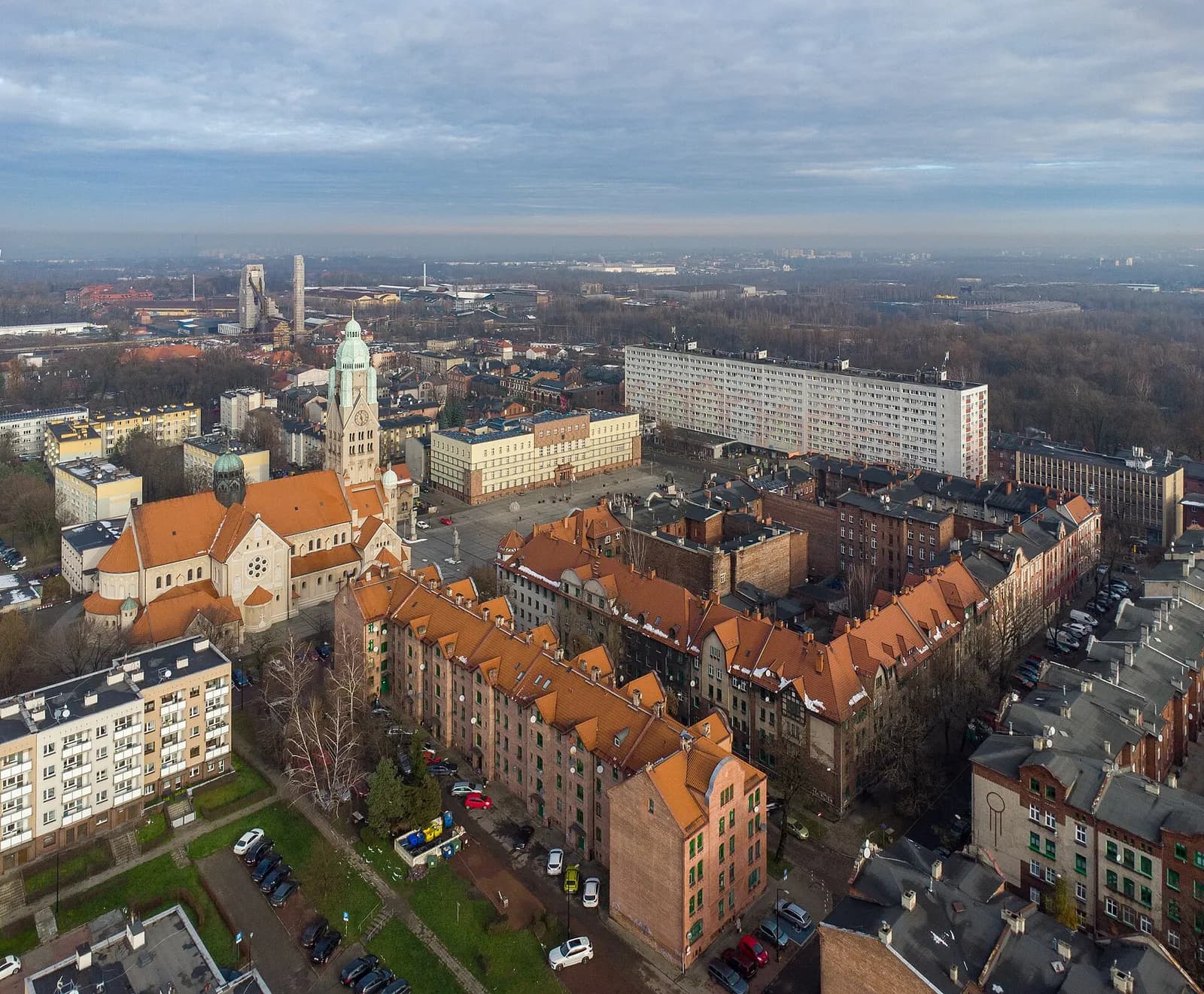
This unique structure remains visible today, with different districts preserving their own architectural features and connections to the industrial past.
Workers’ Estates and the Social Heritage of Mining
The mining industry shaped more than just the economy of Ruda Śląska. It also influenced the way people lived.
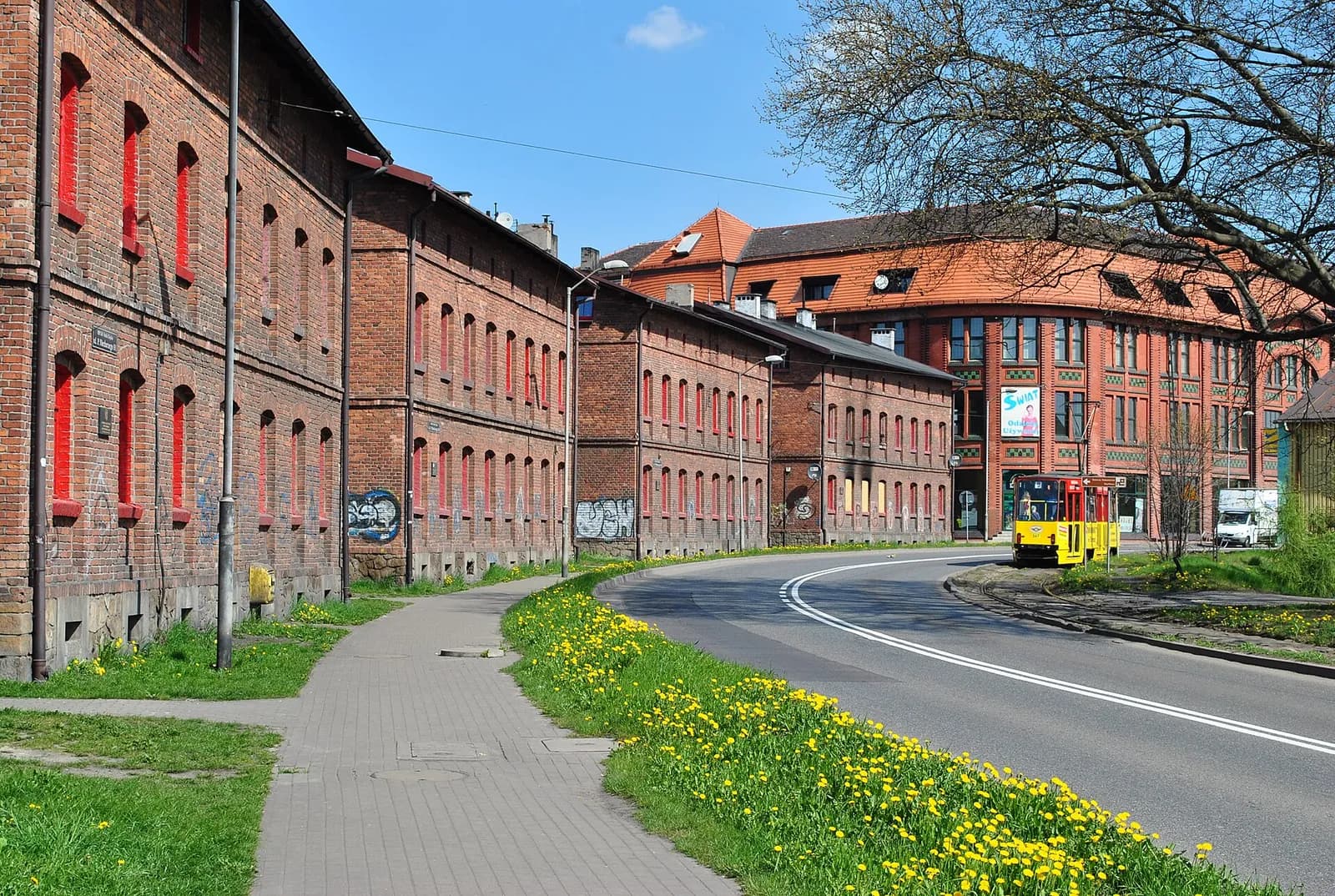
Another distinctive feature of Ruda Śląska’s heritage is its tradition of workers’ housing estates, known in Polish as “osiedla patronatne”. Built with the support of mining companies, these settlements provided homes for workers and their families, creating close-knit communities connected to the industrial workplaces around them.
More than 30 such estates historically existed in the region, with around 20 surviving today. They remain important examples of industrial-era housing and provide insight into the everyday lives of mining families.
Political Change and the Creation of Modern Ruda Śląska
The 20th century brought major political changes to Upper Silesia. After Poland regained independence, the area experienced changes in national borders and political administration.
In 1921, the people of Ruda Śląska chose to join the newly independent Polish state, marking an important moment in the region’s history.
The modern city took shape in 1959, when the separate urban areas of Ruda and Nowy Bytom merged, creating the city of Ruda Śląska.
This unification brought together communities that had already shared decades of industrial development and social connections.
Ruda Śląska Today
Today, Ruda Śląska is home to around 135,000 residents and forms part of the Metropolis GZM, one of Poland’s largest metropolitan areas.
While the importance of traditional heavy industry has changed, the city continues to preserve the heritage that shaped it. Former industrial areas, historic settlements and mining traditions remain important parts of local identity.
Ruda Śląska represents the wider story of Upper Silesia: a region where industry created towns, communities and traditions that continue to influence everyday life.
Ruda Śląska’s history is a story of transformation, from medieval mining settlements to a modern Upper Silesian city. Its districts, workers’ estates and industrial landmarks reflect generations of people who built their lives around mining and industry.
Today, the city continues to balance respect for its industrial past with the development of a modern urban community connected to the wider Silesian region.